Product Liability Insurance Helps Protect the Business You Are Building
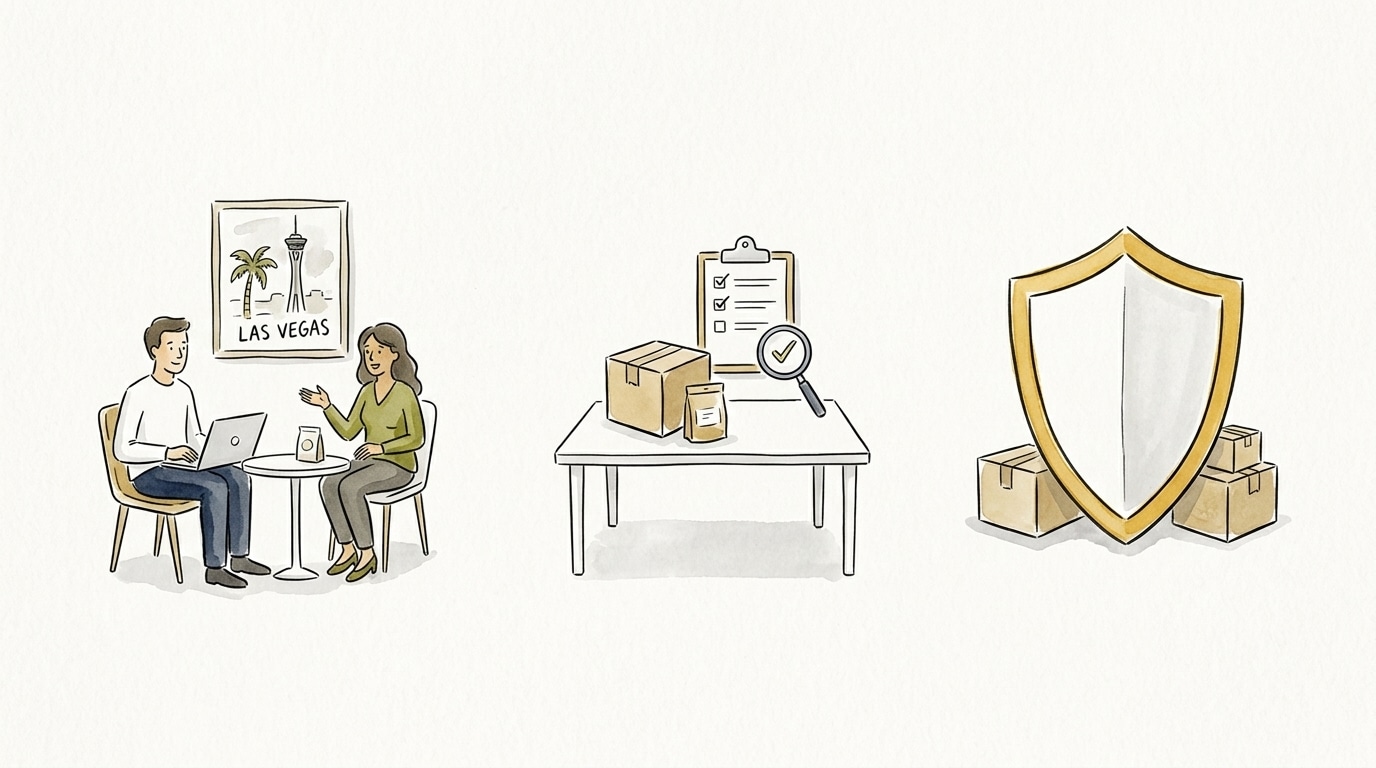
Launching a product is exciting. It also brings a real business risk: a customer could allege that the product caused an injury, damaged property, or lacked adequate warnings or instructions. If your Las Vegas startup designs, makes, imports, private labels, distributes, or sells a physical product, it could be named in a claim.
Product liability insurance can help with eligible defense costs and damages, subject to the policy’s terms, limits, exclusions, and other conditions. Here is why many startups put it in place before a retailer, marketplace, or customer forces the conversation.
Top Reasons Las Vegas Startups Invest in Product Liability Insurance
-
You May Be Named Even If You Did Not Manufacture the Product
Using a contract manufacturer, importing a finished product, selling under your own brand, or running an online store does not automatically remove your exposure. A claim can name several businesses in the product’s path. Review supplier insurance, indemnity language, requested certificates, and additional insured requirements with legal and insurance professionals.
-
A Defense Can Cost Money Before Anyone Decides Who Is at Fault
Even a disputed claim may require records preservation, notices, and legal defense. For a small team, the expense and distraction can pull resources away from product development, sales, and customer support.
-
Retailers and Distributors May Require Proof of Coverage
Commercial partners often want proof of insurance before they carry a product or sign a contract. Reviewing their requirements before a launch or new distribution deal can prevent a last minute scramble.
-
Online Marketplaces Can Set Their Own Insurance Requirements
If you sell through a marketplace, check its insurance rules early. For example, Walmart Marketplace says sellers must provide a certificate of insurance when they exceed $100,000 in gross merchandise value in a 12 month period or when Walmart asks them to do so. Walmart’s current policy calls for general and product liability limits of $1 million per occurrence and $2 million aggregate. Requirements can change, so review the marketplace’s current liability insurance policy and bring the contract to your broker before you launch or expand.
-
Some Products Carry Higher Exposure
Every physical product deserves a risk review, but food and beverages, cosmetics, children’s products, electronics, tools, fitness equipment, supplements, batteries, and products sold with health or performance claims can raise the stakes. A broker will want to know what you sell, who uses it, how it is labeled, where it is sold, and where it is made.
Not sure whether a new distribution contract requires specific liability limits? Get a free, rapid contract review from our brokers.
A Quick Example of How Exposure Can Reach a Startup
Imagine you are dropshipping fitness bands from an overseas supplier. One snaps while a customer is using it and the customer is injured. Even if your startup never touched the manufacturing equipment, the brand name on the listing, your role in selling the product, and the facts of the claim can put your company in the middle of the response. That is why supplier controls and product liability coverage should be considered together.
What Product Liability Insurance Is Designed to Address
Product liability coverage is generally intended for claims alleging bodily injury or property damage caused by a product you made, sold, distributed, or otherwise put into the stream of commerce. It is often included in a commercial general liability policy, but the actual protection comes from the policy wording. A claim might allege a manufacturing defect, a design problem, or a failure to warn about a foreseeable hazard.
The policy may help with eligible legal defense costs and covered damages. It does not mean every loss is covered, and it does not replace product testing, safe design, labels, or quality control.
How Much Does Product Liability Insurance Cost for Startups?
There is no responsible one size fits all quote. Premiums can vary based on the product category and hazard level, projected revenue, where the product is made, claims history, distribution territory, sales channels, requested limits, deductible or retention, and whether the company needs related coverage such as product recall expense. A low cost policy is not necessarily a good fit if it misses a retailer requirement or excludes the product you actually sell.
Bring your product list, sales projections, supplier agreements, labels, online listings, and any retailer or marketplace insurance requirements to a broker. Those details make a quote and coverage comparison more useful.
Insurance Is One Part of Product Risk Management
Coverage works best alongside a process for preventing and handling problems. Build the process while the product line is still manageable.
- Use written specifications and change control procedures with manufacturers.
- Document inspections, testing, and corrective actions.
- Keep current instructions, warnings, lot numbers, and supplier records.
- Track customer complaints and watch for repeating issues.
- Maintain a plan for pausing sales, locating affected inventory, and communicating with sellers or customers.
For many consumer products, the U.S. Consumer Product Safety Commission provides product specific safety resources for businesses. Review the rules that apply to your product rather than relying on a general checklist.
Nevada Product Liability: Why Quality Control Is Not the Whole Answer
Nevada courts recognize strict product liability in defective product cases. In plain language, a claim may focus on whether a product was defective and unreasonably dangerous, whether the defect existed when it left the seller’s control, and whether it caused the injury. The facts of every claim matter, but it is a practical reason for Nevada startups to treat testing, warnings, supplier records, and insurance as parts of the same plan.
The Nevada Supreme Court’s Van Duzer v. Shoshone Coca-Cola Bottling Co. decision describes the state’s recognition of strict liability for a manufacturer or distributor when a defect was present when the product left its hands. Quality control is important, but it is not a promise that no claim can be made.
Do Not Wait for a Complaint to Think About a Recall
A recall is not the same as an insurance claim, but a product problem can require both an operational response and insurance guidance. The CPSC says manufacturers, importers, distributors, and retailers have a duty to report certain potentially unsafe or noncompliant consumer products and certain lawsuits. If you receive a serious product complaint, get qualified legal, regulatory, and insurance guidance before promising a refund, issuing a public statement, or assuming the scope of the issue.
The CPSC’s business reporting guidance and recall checklist are useful starting points. For consumer products under the CPSC’s jurisdiction, a company that has reportable information generally must notify the CPSC within 24 hours. Because this is a regulatory question, involve qualified legal and regulatory advisers promptly. See the CPSC’s Duty To Report Questions for current guidance.
Product Liability Coverage and Recall Costs Are Different Questions
A product liability claim and a recall can stem from the same problem, but they create different costs. Product liability coverage is generally aimed at eligible third party bodily injury or property damage claims. A recall can also create first party expenses such as tracing inventory, stopping sales, notifying customers, returning product, storage, disposal, and replacement. Do not assume a product liability policy will pay every recall expense; product recall expense coverage may require a separate policy or endorsement.
Questions to Ask Before You Buy a Policy
- What products do we make, import, distribute, or sell?
- Where are they made, sold, and shipped?
- Do we private label a product or put our brand on it?
- What insurance requirements have retailers, marketplaces, or distributors sent us?
- What limits and deductible or retention can the company support?
- Are there exclusions, product specific restrictions, or territory limits that matter to us?
- Do we need related coverage, such as product recall expense, commercial auto, or cyber liability?
Get a Better Product Liability Insurance Review for Your Las Vegas Startup
PJO’s Las Vegas product liability insurance page explains the coverage at a high level. For wider planning, see PJO’s Nevada startup business insurance page and Las Vegas business insurance overview. You can also contact PJO Insurance Brokerage to discuss the products you sell, contract requirements, and the questions to ask before you launch or expand.
Frequently Asked Questions
Does Product Liability Insurance Cover Every Product Claim?
No. Coverage depends on the policy, the claim, the product, exclusions, limits, deductibles or retentions, and other terms. Read the policy and ask specific questions about your product and sales model.
Do Online Sellers Need Product Liability Insurance?
Online sales do not remove product risk. If you import, private label, distribute, or sell physical products online, discuss the exposure and marketplace requirements with a broker.
Does a Manufacturer’s Insurance Automatically Cover My Startup?
Not necessarily. Your supplier’s insurance, contractual indemnity, and your own policy are different issues. Have legal and insurance professionals review the agreement before you rely on it.
Does Product Liability Insurance Pay for a Product Recall?
Not automatically. A liability policy may address eligible third party claims, while a recall can create separate first party expenses. Review the policy wording and ask whether product recall expense coverage is available.
Sources for Product Safety Guidance
This article is general educational information, not legal advice, product-safety advice, insurance coverage advice, or a guarantee of coverage. Discuss your particular product, contracts, and policy with qualified legal, regulatory, and insurance professionals.
Before your next production run, marketplace launch, or retailer agreement, ask PJO to review your product, contract requirements, and coverage options.
PJO INSURANCE BROKERAGE
Email: patrick@pjobrokerage.com
Website: www.pjobrokerage.com
Arizona Location
4103 East Prickly Pear Trail
Phoenix, Arizona 85050
Office: 480-680-9951
California Location
107 Via Estrada, Unit A
Laguna Woods, California 92637
Office: 949-264-0889
Nevada Location
9850 S Maryland Parkway Suite A-5-262
Las Vegas, Nevada 89183
Office: 702-747-5403